
Ensure Seamless Construction with Proper Site Preparation
Starting a construction project without thorough preparation can lead to costly delays, safety hazards, and structural issues. Proper groundwork is essential to ensure the entire building process runs smoothly from start to finish. This article explores the critical steps and best practices for effective construction site prep solutions, helping you avoid common pitfalls and set your project up for success.
Why Construction Site Prep Solutions Are Essential
Before any foundation is laid or materials delivered, the site must be ready to support the work ahead. Construction site prep solutions involve clearing, grading, and stabilizing the land to create a safe and efficient workspace. Without this, equipment may get stuck, foundations may settle unevenly, and workers could face unnecessary risks.
Some key reasons to invest in professional site preparation include:
Safety: Removing debris and leveling the ground reduces trip hazards and equipment accidents.
Efficiency: A well-prepared site allows machinery and crews to operate without interruption.
Structural Integrity: Proper grading ensures water drains away from foundations, preventing future damage.
Cost Savings: Avoid expensive rework caused by poor initial site conditions.
For example, a commercial building project in a flood-prone area requires precise grading to divert water flow. Without this, the foundation could weaken, leading to costly repairs.

Key Steps in Construction Site Prep Solutions
Effective site preparation involves several critical steps, each contributing to a stable and safe construction environment. Here’s a breakdown of the most important phases:
1. Site Clearing and Demolition
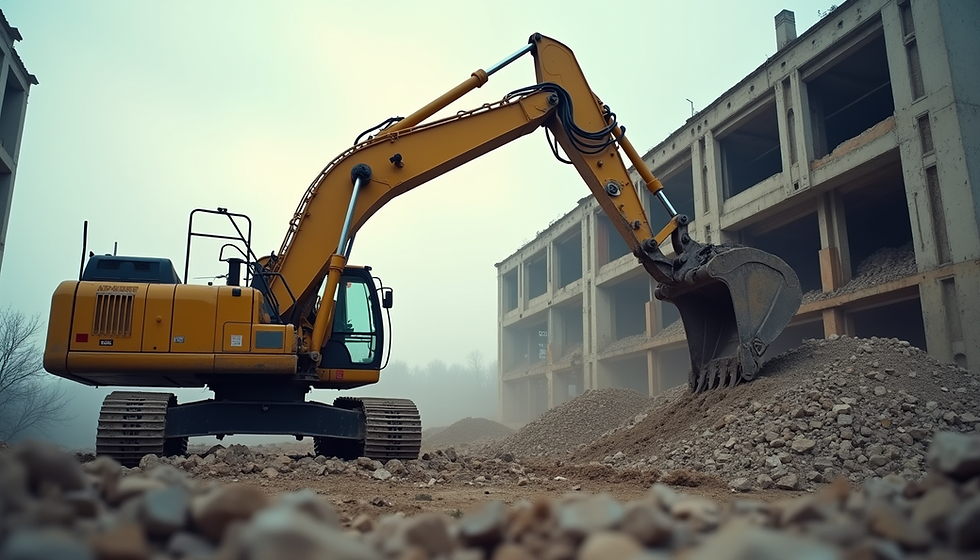
The first step is to clear the land of trees, shrubs, rocks, and any existing structures. This may involve controlled demolition if old buildings or foundations are present. Clearing ensures the site is free of obstacles that could interfere with construction equipment or the building itself.
Use heavy machinery like bulldozers and excavators for large debris.
Remove roots and stumps to prevent future ground movement.
Dispose of waste materials according to local regulations.
2. Excavation and Earthmoving
Once cleared, excavation begins to create the necessary depth for foundations, basements, or utilities. Earthmoving reshapes the land to the desired contours and elevations.
Excavate to the exact depth specified in engineering plans.
Use soil compaction techniques to stabilize the ground.
Stockpile or remove excess soil responsibly.
3. Grading and Drainage
Proper grading is crucial to direct water away from the building site. This prevents erosion and water damage.
Create slopes that encourage runoff.
Install drainage systems like French drains or swales if needed.
Test soil permeability to ensure effective water management.
4. Soil Testing and Stabilization
Before construction, soil must be tested for load-bearing capacity and composition. Weak or unstable soil requires treatment.
Conduct geotechnical surveys to assess soil conditions.
Use soil stabilization methods such as lime or cement mixing.
Consider piling or other foundation reinforcement if necessary.
5. Utility Installation Preparation
Preparing for utilities involves marking and trenching for water, sewer, electrical, and communication lines.
Coordinate with utility companies for accurate placement.
Ensure trenches are safely dug and marked.
Plan for future access and maintenance.
Each of these steps requires careful planning and execution to avoid delays and ensure the longevity of the structure.
Practical Tips for Effective Site Preparation
To maximize the benefits of construction site prep solutions, consider these actionable recommendations:
Hire Experienced Professionals: Skilled contractors understand local soil conditions and regulations.
Use Modern Equipment: Advanced machinery improves precision and speeds up the process.
Plan for Weather: Schedule site prep during dry seasons to avoid mud and flooding.
Maintain Clear Communication: Keep all stakeholders informed about progress and challenges.
Document Everything: Record site conditions and preparation activities for future reference.
For instance, a residential developer in a region with heavy rainfall might schedule grading and drainage installation during the driest months to prevent water-related setbacks.

How to Choose the Right Construction Site Prep Solutions Provider
Selecting the right company for your site preparation needs is critical. Here are some factors to consider:
Experience and Reputation: Look for firms with proven track records in similar projects.
Range of Services: Choose providers offering comprehensive solutions from clearing to soil stabilization.
Equipment and Technology: Ensure they use up-to-date machinery and techniques.
Compliance and Safety: Verify adherence to local codes and safety standards.
Customer Support: Responsive communication and problem-solving are essential.
For example, a commercial project requiring complex grading and drainage might benefit from a provider specializing in large-scale earthmoving and environmental compliance.
If you want to learn more about professional construction site preparation, visit Liberty Grading’s services page for detailed information.
Preparing Your Site for Long-Term Success
Proper site preparation is not just about the immediate construction phase. It lays the foundation for the building’s durability and functionality over time. Here are some long-term considerations:
Erosion Control: Implement measures like silt fences or vegetation to prevent soil loss.
Access Roads: Build durable paths for ongoing construction and future maintenance.
Environmental Protection: Preserve natural features where possible to maintain ecosystem balance.
Regular Inspections: Monitor the site during construction to address any emerging issues promptly.
By focusing on these aspects, you ensure that your investment in site prep pays off throughout the building’s lifespan.
Investing time and resources into thorough construction site prep solutions is a smart strategy that pays dividends in safety, efficiency, and structural integrity. Whether you are managing a small residential build or a large commercial project, prioritizing site preparation will help you avoid costly setbacks and deliver a successful outcome.


Comments